Electric vehicle regulation used to be a simple story about tailpipe emissions and how quickly they could be eliminated. The newest wave of rules taking effect across Europe and other markets is broader and less flattering to EVs specifically, addressing battery durability, brake dust, and tyre wear in ways that apply just as much to electric cars as to combustion ones.
Batteries Now Have Durability Requirements
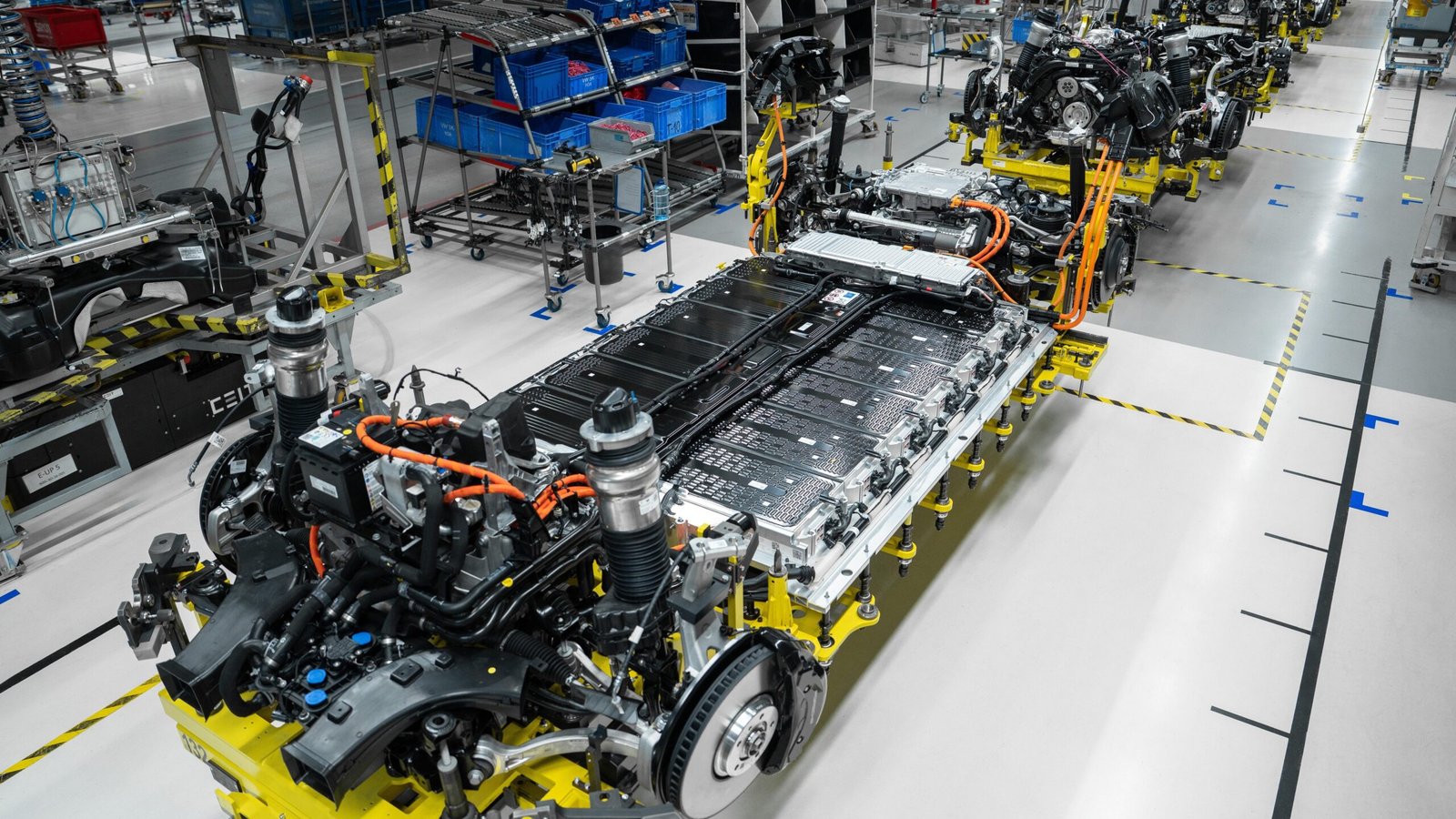
New rules require manufacturers to guarantee minimum battery capacity retention over a set number of years or kilometres, turning what used to be a voluntary warranty promise into an enforceable regulatory standard. Manufacturers that fail to meet these thresholds can face real penalties, giving buyers a legal backstop that did not exist before.
Non-Exhaust Emissions Get Their Own Rules
Regulators have started paying closer attention to non-exhaust emissions, the particles released from brake wear and tyre wear that have nothing to do with a car’s engine or motor. Because EVs tend to be heavier than comparable combustion cars due to battery weight, they can produce more tyre wear particles per mile, a fact that is now shaping new tyre and brake standards that apply across all vehicle types.
Recycling Requirements Are Getting Teeth
New rules are pushing manufacturers to design batteries that are easier to disassemble and recycle at the end of their life, with specific minimum recovery rates for key materials like lithium, cobalt, and nickel. This is intended to reduce dependence on newly mined materials as the number of retired EV batteries grows over the next decade.
What This Means for Buyers
None of these rules will change what a new EV costs to buy today, but they are shaping which materials, tyres, and battery chemistries manufacturers choose to use going forward. Buyers focused on long-term durability and environmental impact now have more concrete standards to point to than marketing claims alone.
The Bottom Line
The EV rulebook is maturing past its early focus on getting more electric cars on the road and into questions about how those cars perform, wear, and get recycled over their full lifespan. That is a sign of a technology moving from novelty to mainstream infrastructure.