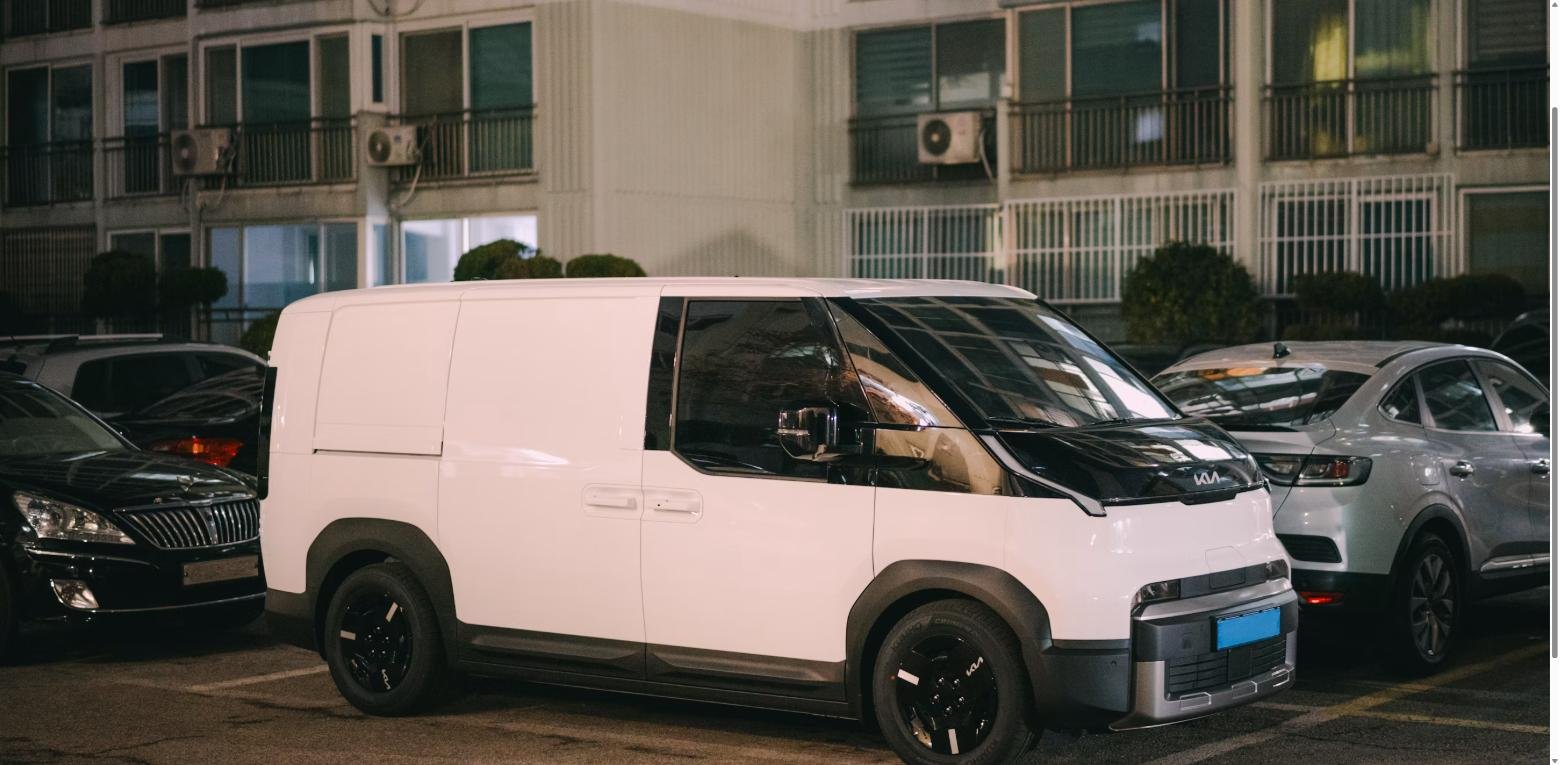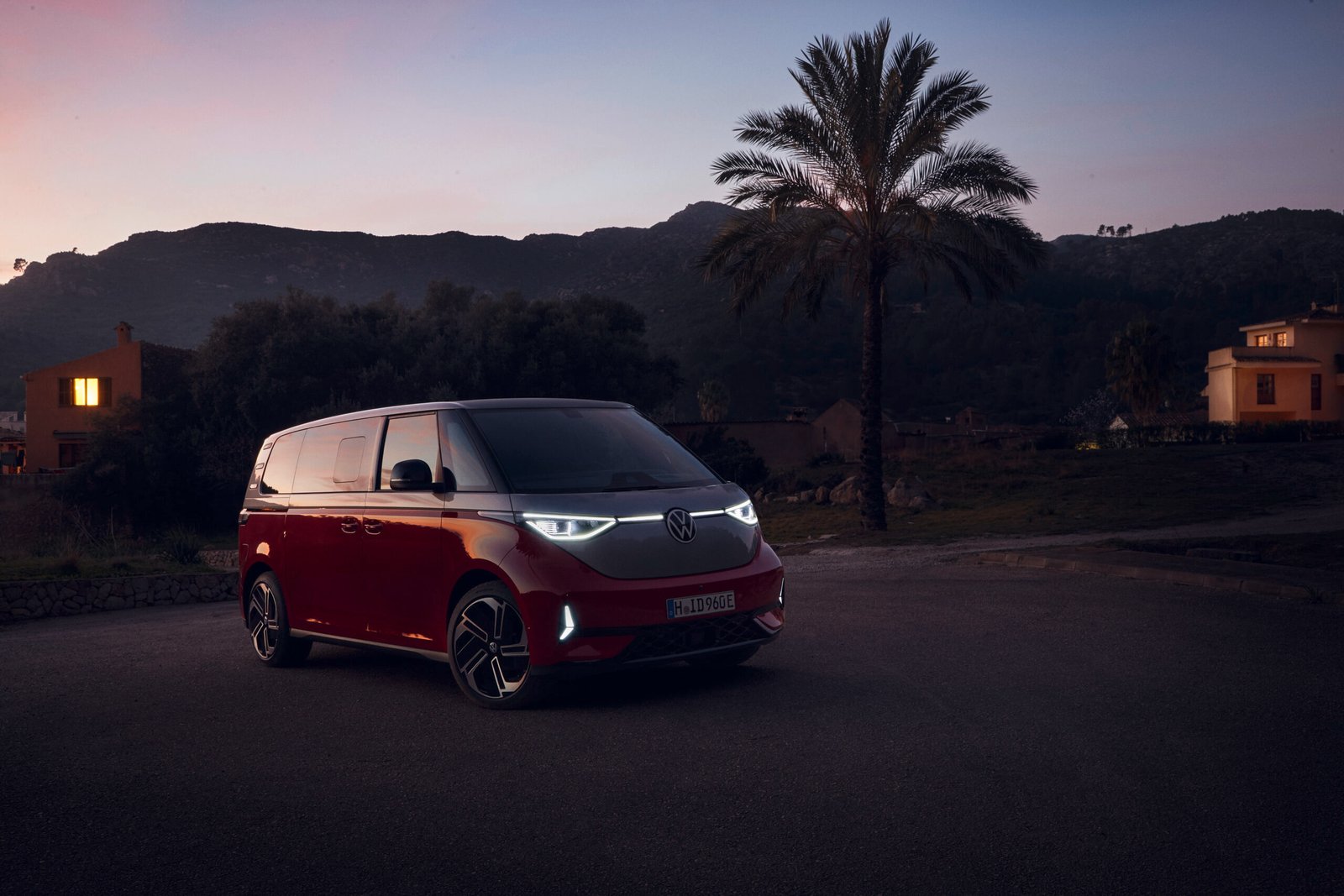
Electric cars get most of the attention in the EV conversation, but electric vans are quietly becoming one of the more compelling business cases in the entire industry. Predictable routes, high daily mileage, and generous cargo space make delivery and trade vans a near-perfect fit for battery power, and small businesses are starting to notice.
The Numbers Work Differently for Fleets
A van that drives the same short, predictable urban route every day rarely runs into the range anxiety that worries private car buyers, since its daily mileage is well within what a single charge comfortably covers. Combined with lower per-mile energy costs and reduced maintenance from fewer moving parts, the total cost of ownership for an electric van can undercut a diesel equivalent within just a few years.
Charging at the Depot Solves the Infrastructure Problem
Unlike private buyers who worry about public charging availability, small businesses running a handful of vans can install charging equipment at a single depot or yard, charging every vehicle overnight without ever touching a public charger. This sidesteps one of the biggest practical objections that has slowed EV adoption among individual car buyers.
Low-Emission Zones Are Adding Pressure
A growing number of cities have introduced low-emission or zero-emission zones that charge fees or restrict access for older diesel vans, adding a direct financial incentive for businesses to electrify their delivery fleets sooner rather than later. Businesses that switch early are avoiding these fees altogether while building experience with the technology.
An Unexpected Side Effect for Weekend Use
Tradespeople and small business owners who electrify their work van are increasingly finding it doubles as a comfortable, low-cost family vehicle on evenings and weekends, something that was rarely true of diesel work vans. Quieter cabins and smoother power delivery have made electric vans more pleasant for personal use than their combustion predecessors ever were.
The Bottom Line
Electric vans do not generate the same excitement as a flashy new sedan, but the underlying economics for fleet and small business use are arguably stronger than for private passenger cars. For businesses running predictable routes, the switch is increasingly a financial decision rather than an environmental one.