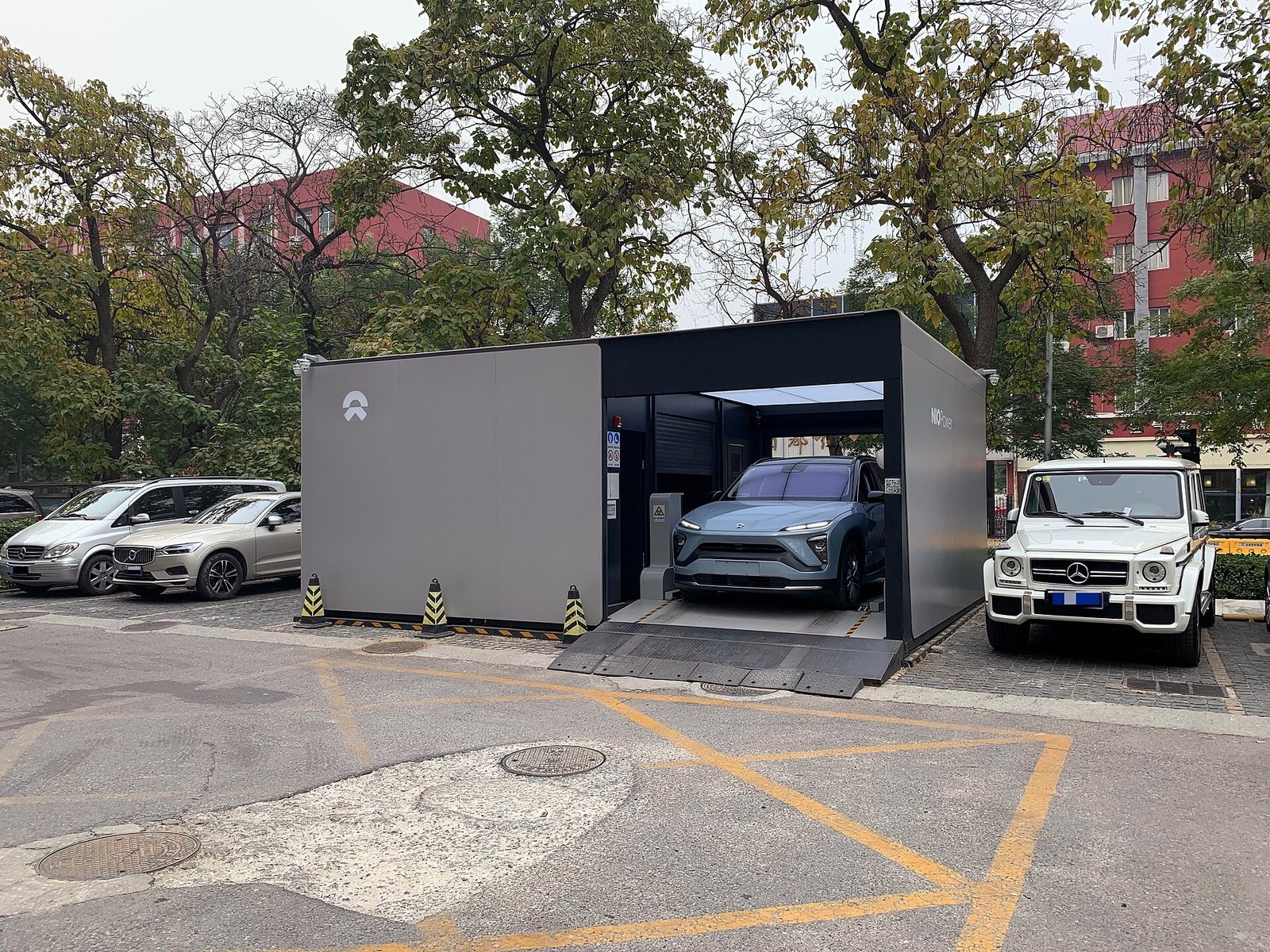
Battery swapping, the practice of exchanging a depleted EV battery for a charged one in a few minutes rather than plugging in, has been a niche curiosity outside China for years. That is starting to change, with new swap networks opening in Europe and the Middle East built around standardized, removable battery packs.
Why Swapping Never Caught On Elsewhere
Battery swapping requires automakers to agree on a common pack size and mounting system, something competing car companies have historically resisted. China’s Nio built its own closed network around its own cars, which limited the idea to a single brand for most of the last decade.
What’s Different Now
- A new swap consortium in Europe includes three mid-size automakers building to a shared battery format
- Swap stations can turn around a depleted pack in under five minutes, faster than any fast charger
- Fleet and taxi operators are the primary early customers, not everyday private buyers
- Batteries are owned by the network rather than the driver, lowering the upfront price of the car
The Catch
Swap networks are expensive to build and only work if enough cars share the same battery format. Most analysts still expect fast charging to remain the default for private buyers, with swapping carving out a smaller role among commercial fleets.