Solid-state batteries, long promised as the technology that would finally solve EV range and charging-speed anxiety, are moving from lab demonstrations to pilot production lines. But automakers and suppliers are now converging on a more cautious timeline than the industry predicted just a few years ago.
What Makes Solid-State Different
Unlike today’s lithium-ion cells, which use a liquid electrolyte to move ions between electrodes, solid-state batteries use a solid material instead. That change promises higher energy density, faster charging and a lower fire risk, at least in theory.
Where Things Actually Stand
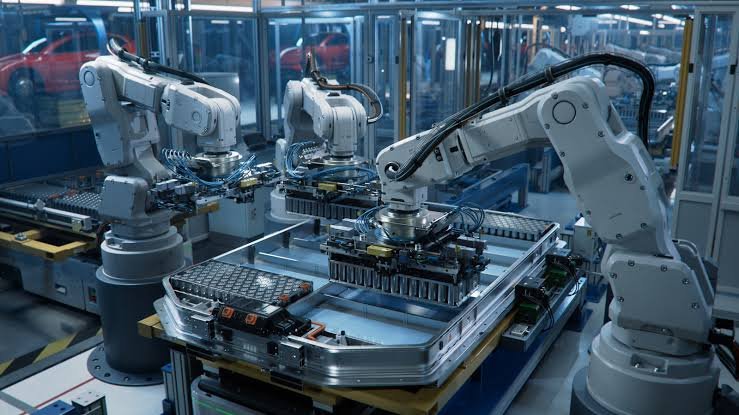
- Several automakers now operate small-scale pilot production lines rather than full factories
- Manufacturing yields remain a bottleneck, with defect rates still too high for mass production
- Costs per kilowatt-hour remain several times higher than conventional lithium-ion cells
- Most automakers have pushed back publicly stated launch dates by two to three years
The Realistic Timeline
Toyota, Nissan and several Chinese battery makers are now targeting limited production around 2027 or 2028, with broad availability further out still. Suppliers caution that solid-state cells will likely debut in premium models first, where higher costs are easier to absorb.