Ask any EV owner with a driveway how they charge, and the answer is almost always the same: plug in at night, wake up full. Ask a renter or an apartment dweller the same question, and the answer gets complicated fast. As EV adoption pushes further into cities, the gap between drivers who can charge at home and those who cannot is turning into one of the defining lifestyle divides of electric ownership.
The Convenience Gap Is Real
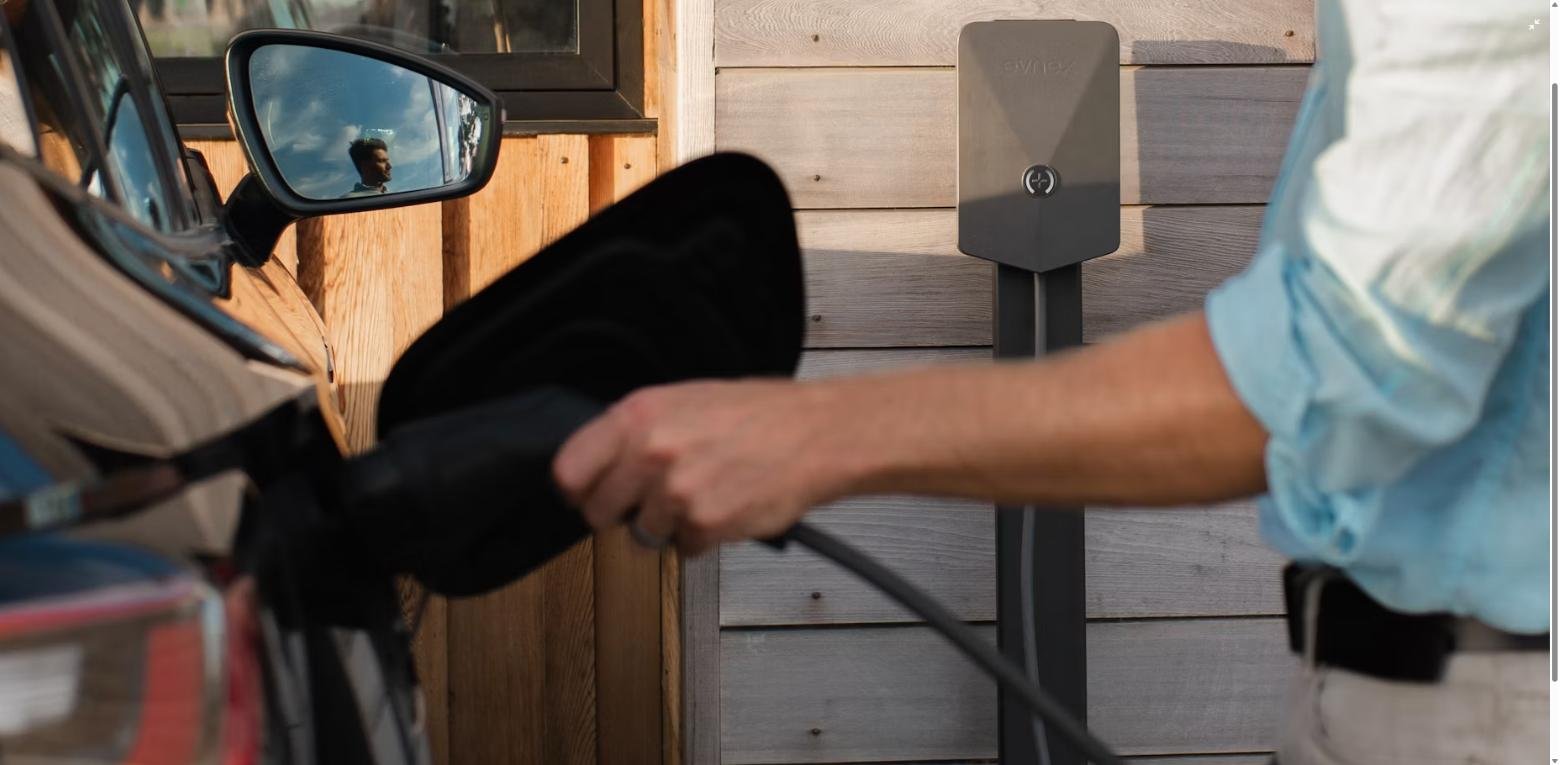
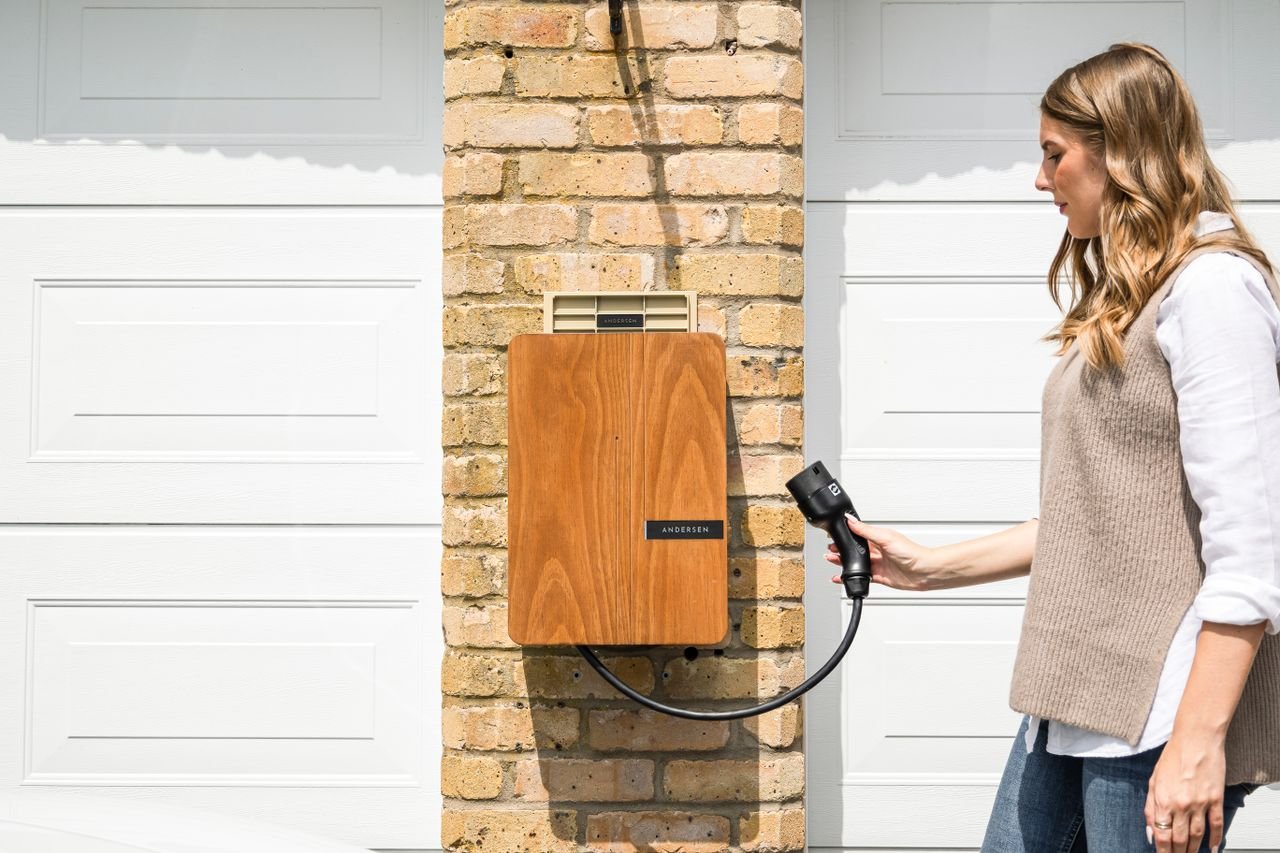
Owners with a home charger typically pay less per kilowatt-hour, never have to plan around a public charger’s location, and rarely think about charging as a separate errand. For drivers without off-street parking, charging still often means finding a nearby public point, timing a visit around availability, and paying public rates that can be two to three times higher than a home electricity tariff.
Cities Are Starting to Respond
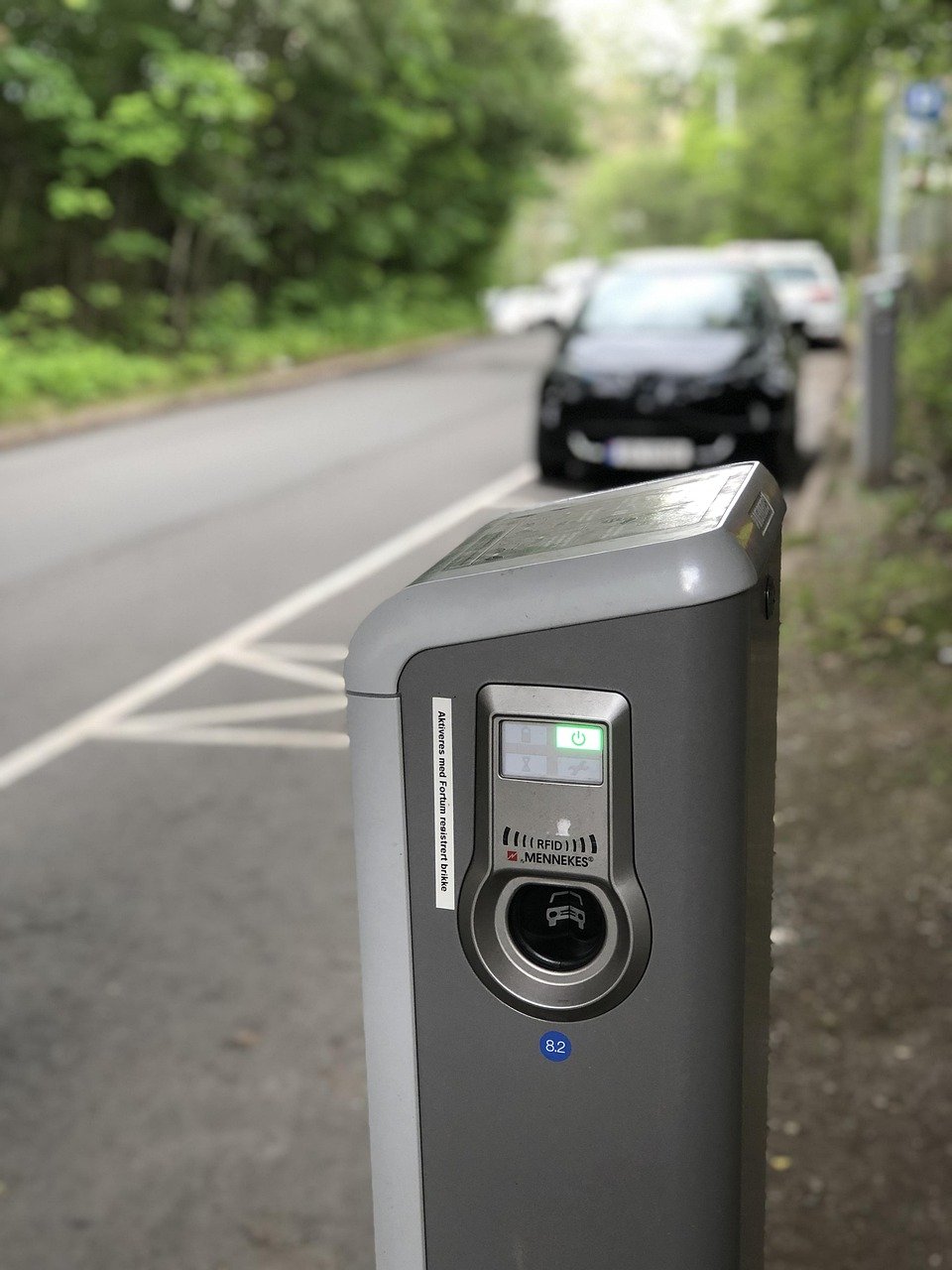
Several cities have begun installing charging points built into street lamps and curbside bollards specifically for residents without driveways, converting existing infrastructure rather than waiting for new hardware to be built from scratch. Landlords in some markets are also facing new pressure, and in a few cases new requirements, to install charging capacity for tenants as EV demand grows.
Workplace Charging Fills Some of the Gap
For commuters without home charging, workplace chargers have become an unofficial substitute, letting drivers top up during the workday instead of hunting for a public charger at night. Employers offering this benefit are increasingly using it as a recruitment perk, particularly in urban areas where home charging is hardest to come by.
Why This Matters for the Next Wave of Buyers
Early EV adoption was concentrated among homeowners with driveways or garages, a group for whom charging logistics were simple. The next wave of buyers looks different, more urban, more likely to rent, and less likely to have a dedicated parking spot. How well cities and employers close the charging convenience gap will heavily influence how fast that next wave actually switches.
The Bottom Line
Battery range and price get most of the attention in EV shopping conversations, but for a growing share of potential buyers, the real deciding question is simpler: where will I actually plug in?