

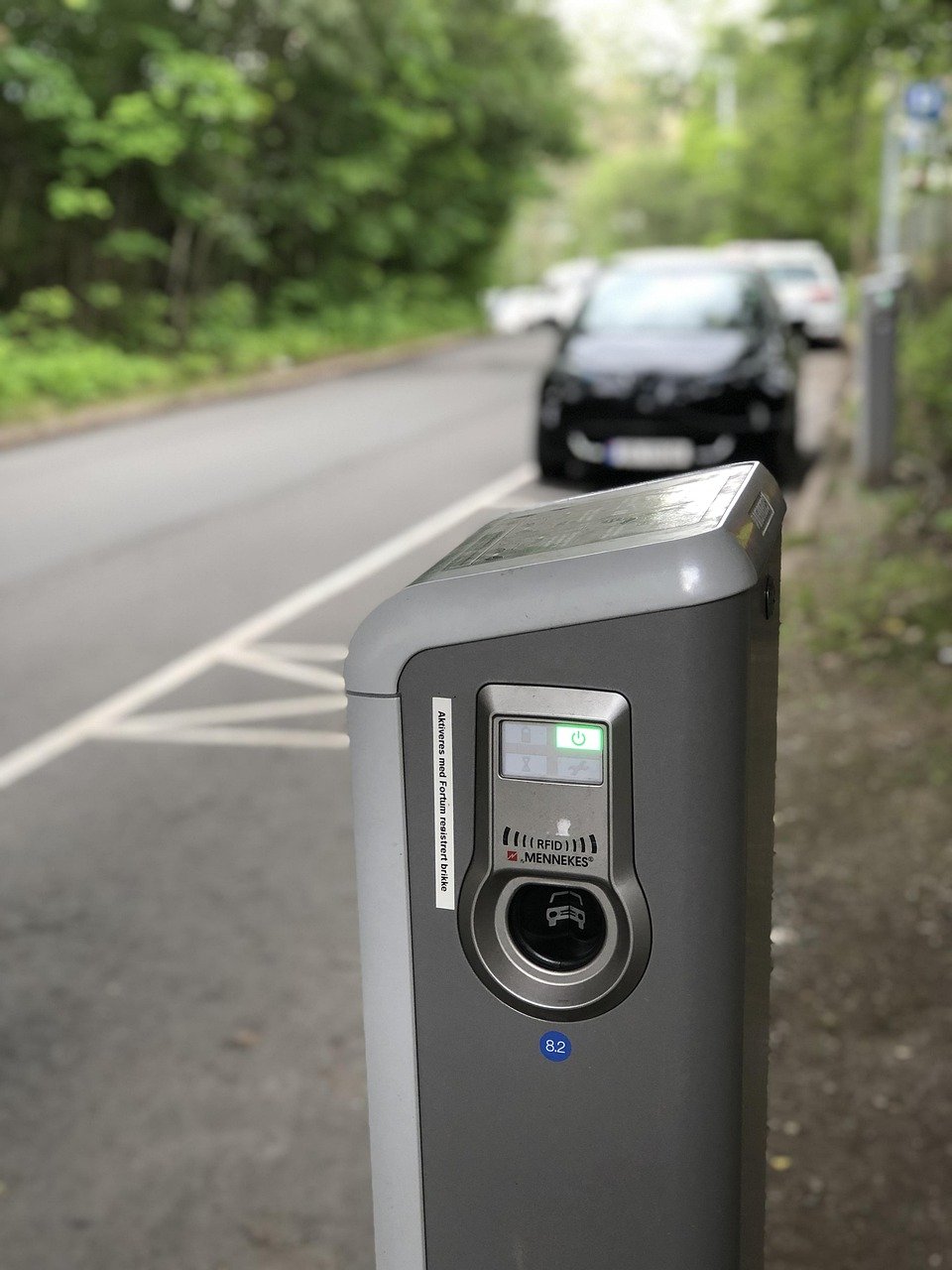
For years, the dominant metric in public EV charging was simple: how many plugs got installed. That number is still climbing steadily, but operators, regulators, and drivers are increasingly focused on a harder problem that raw plug counts never solved, whether the chargers that already exist actually work when you need them.
The Uptime Problem
Independent surveys of public charging networks have repeatedly found that a meaningful share of fast chargers are offline, malfunctioning, or otherwise unusable at any given time. For drivers without a home charger, a broken unit is not a minor inconvenience, it can mean an unplanned detour or a genuinely stressful low-battery situation.
Operators Are Starting to Compete on Reliability
Newer charging networks are beginning to market uptime figures the way carriers once advertised network coverage, treating reliability as a competitive differentiator rather than an afterthought. Some operators have begun publishing real-time status dashboards and offering credits or refunds when a session fails partway through.
Software Is Doing More of the Work
Predictive maintenance software that flags failing hardware before it stops working entirely is becoming more common at larger charging networks, allowing technicians to fix problems before drivers ever encounter an error message. Payment reliability has also improved as networks move away from proprietary apps toward simple tap-to-pay card readers.
What Drivers Can Do in the Meantime
Route-planning apps that show live charger status, rather than just static locations, have become one of the most useful tools for avoiding broken stations before arriving. Building in a small buffer of extra range on longer trips remains sensible advice until reliability numbers improve further across the board.
The Bottom Line
Plug counts make for an easy statistic, but they were never the full picture. The charging networks that win driver loyalty going forward will be the ones that treat every plug as a promise that has to actually be kept, not just a number on a map.