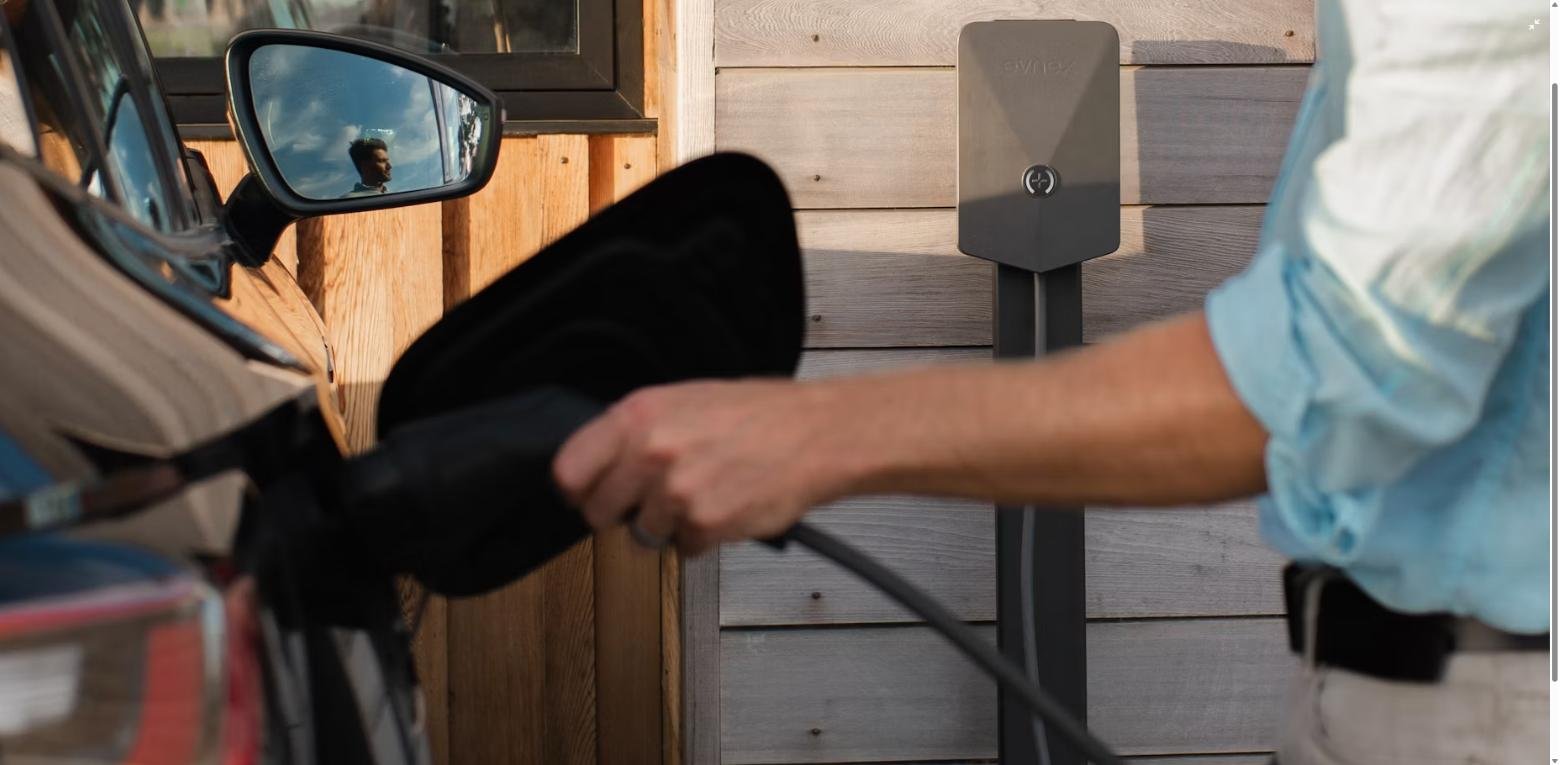
The idea of using an EV’s battery to power a home or feed electricity back to the grid has circled the industry for years without quite breaking through. That is starting to change, as more affordable hardware, new utility programs, and a fresh crop of compatible vehicles bring vehicle-to-grid, or V2G, charging closer to a mainstream feature rather than a niche experiment.
What V2G Actually Does
A V2G-capable setup allows an EV to discharge stored energy back into a home or the wider grid, effectively turning a car battery into a large, mobile power reserve. In practice, this can mean keeping the lights on during a power outage or helping smooth out demand spikes on the grid during peak hours.
Why It Stalled Before
Earlier attempts at bidirectional charging were held back by expensive hardware, a lack of compatible vehicles, and thin utility incentives that made the investment hard to justify for most households. Only a handful of models supported the feature at all, and installation costs for compatible chargers were often prohibitive.
What Has Changed
A growing number of new EVs now ship with bidirectional charging capability built in rather than as a rare option, and several utilities have begun piloting programs that pay owners for letting the grid draw on their car battery during periods of high demand. Bidirectional home chargers have also come down in price as more manufacturers enter the market.
What to Watch Before Signing Up
Not every EV and charger combination supports V2G yet, so compatibility is still the first thing to check before assuming the feature is available. Owners considering a utility program should also look closely at how frequently and how deeply the utility can drain the battery, since heavy cycling has some effect on long-term battery health.
The Bottom Line
Vehicle-to-grid charging is no longer a futuristic concept confined to pilot programs and press releases. For owners with a compatible car and charger, it is becoming a genuine, if still emerging, way to get more value out of a battery that otherwise sits idle most of the day.