

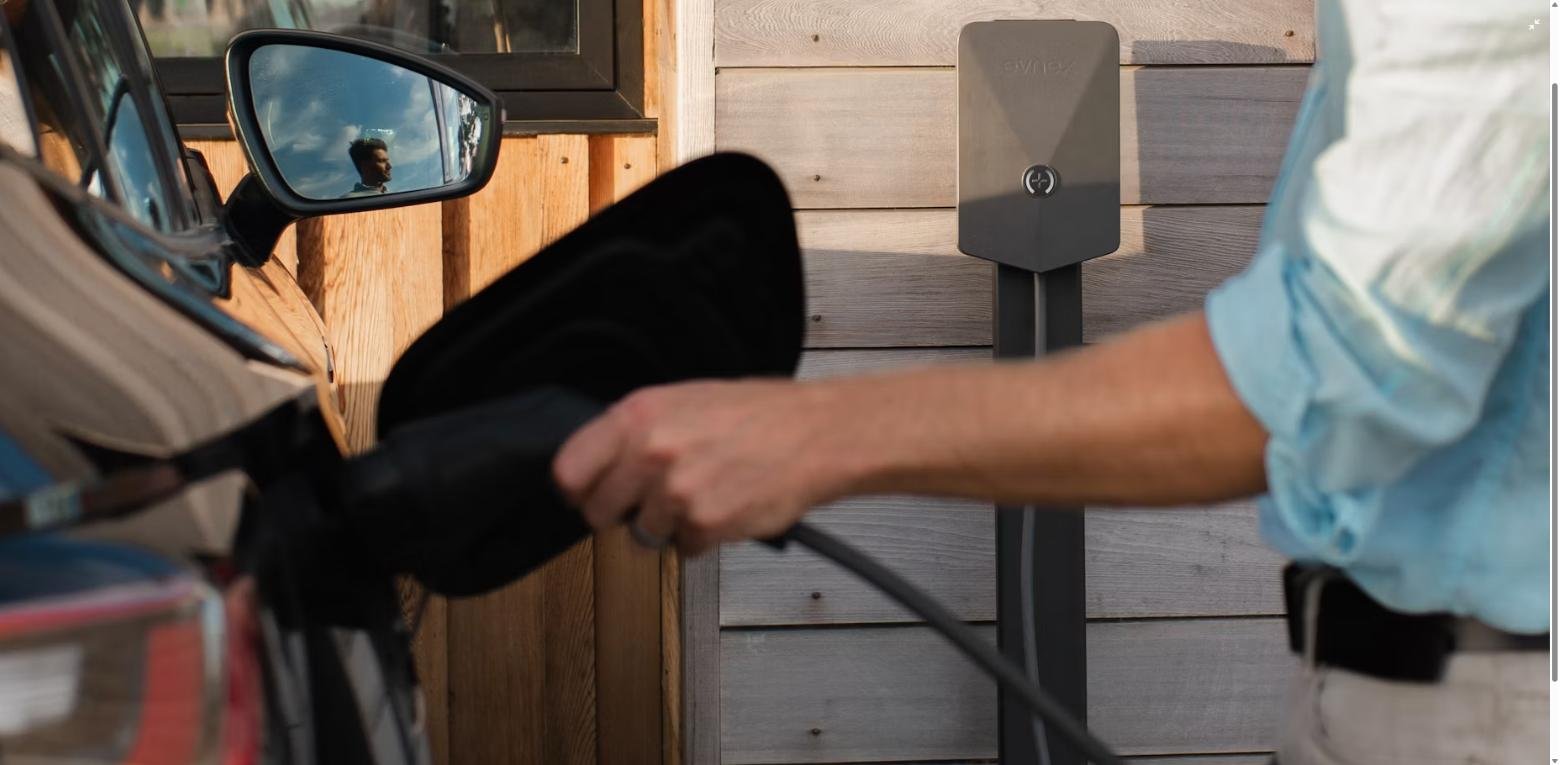
The North American Charging Standard, the plug design Tesla originally created for its own cars, has now been adopted as the default connector on nearly every new EV sold in the United States. The last holdouts switched over this year, closing out a transition that took less than four years from Ford’s first announcement.
How We Got Here
Automakers spent years building EVs around the Combined Charging System, or CCS, plug. That began to unravel once Tesla opened its Supercharger network and connector design to other manufacturers, giving drivers of other brands access to the largest fast-charging network in the country.
What It Means for Drivers
- Nearly every new EV sold now ships with a NACS port, no adapter required
- Owners of older CCS-equipped cars can still use adapters at most Supercharger stations
- Charging networks are consolidating around a single plug for the first time since public EV charging began
- Trip-planning apps report fewer failed charging attempts since the switch
What’s Left to Fix
A single plug does not guarantee a working charger. Reliability across non-Tesla networks still lags in places, and rural coverage remains thin in parts of the country. Standardizing the connector solved one problem, not all of them.